
The Story of Collecting VPS’s

Back when I was working at Thomson Reuters in New York, maybe eight years ago now, a friend told me about LowEndBox.com and the cheap VPS you could get on subscription. At the time, I was mostly doing my hosting at home, maybe just running this blog, so I filed the info away and didn’t do much with it.

After moving to the UK, I started checking the site periodically, and he wasn’t wrong. They had some wild deals, like a decently powered VPS for under $20 a year if you caught a special. Considering I was used to paying $15 a month for fairly limited hosting, the idea of getting a whole VPS for the cost of one month, but for a full year, was too good to ignore. Most of the big offers came around the holidays such as Black Friday, Christmas, or New Year, but there were deals sprinkled throughout the year too. Eventually, after seeing a Black Friday promotion, I thought: for $20, I waste more on random stuff, why not try this? I grabbed one hosted in the Netherlands and liked it a lot.

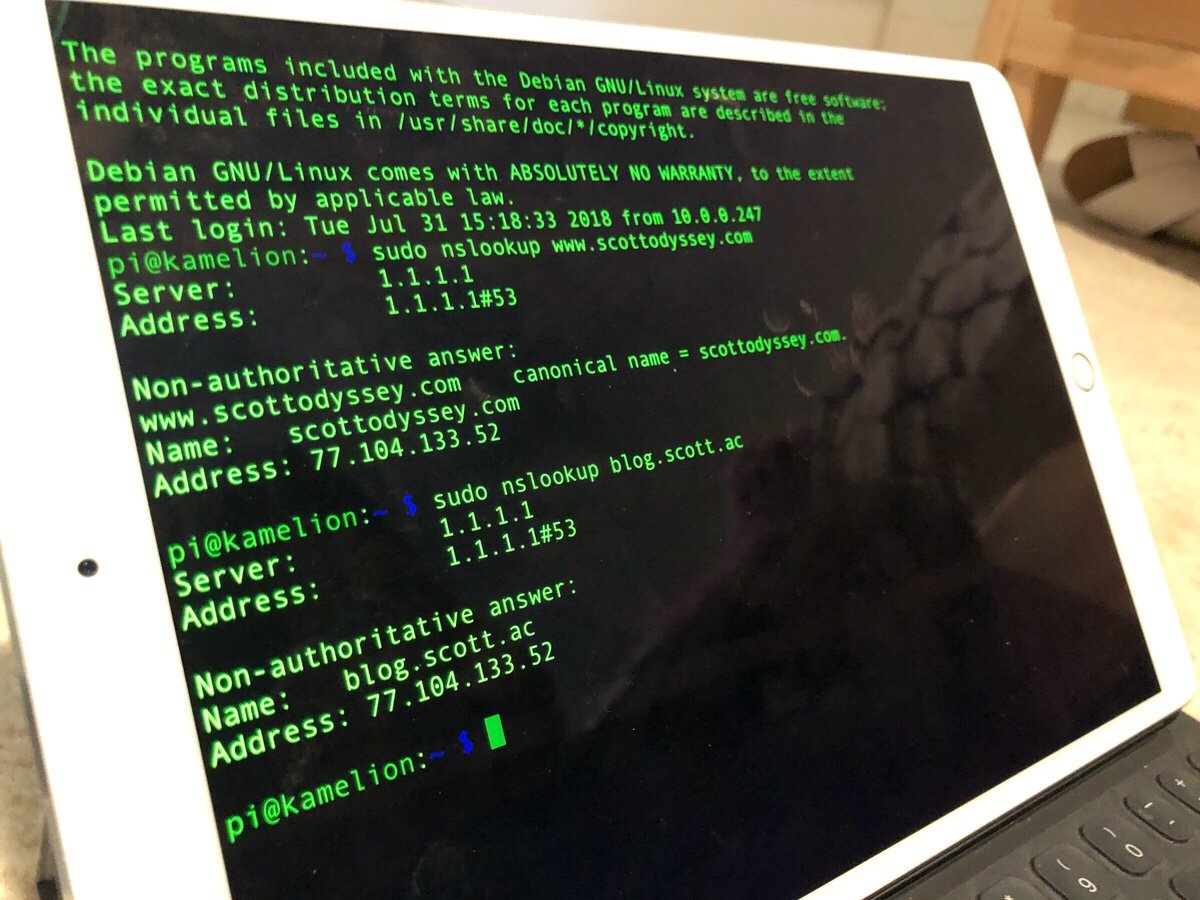
That was the start of my little VPS collection. One of them now runs hosting for my blog, set up with YunoHost on Debian. It’s been my favourite self-hosting stack: simple to install WordPress and other apps, stable, easy to back up, restore, and even migrate. I’ve moved my hosting from the Netherlands to Ireland with no real issues.

Since then, I’ve picked up a few more in different places. I’ve got a couple in Texas I’ve been using as VPN endpoints, another one I pay about €8 a month for as a remote node in my backup network with around 2 TB of storage, and a handful of ultra-cheap hosting plans that cost me less than $15 a year. Some of those I don’t even really use anymore, like CPanel hosting for multiple domains, but the VPS setups are still going strong.

At this point I’ve got three or four VPSs running different services, plus a couple of extra hosting plans I may or may not renew when they come up. I’m tempted to add another storage VPS just to play around with Borg backup, though I still keep Resilio running for sync backups. Between the VPN endpoint in the US, my regular hosting, and the backup nodes, I’m definitely collecting VPSs.

Will I pare it down someday? Maybe. But even with all of them, the cost is still half or less than what I used to pay for a single hosting plan ten years ago. Pretty crazy, really.
Backup Network Version Number I Forget

I’ve been writing a lot about my tech setup lately because I’ve done quite a bit of work on it. I’ve been meaning to share my current private cloud backup setup for a while now.

The backbone of my private cloud network is still Resilio Sync. While I rely on it a bit less these days, it remains a core part of my strategy.

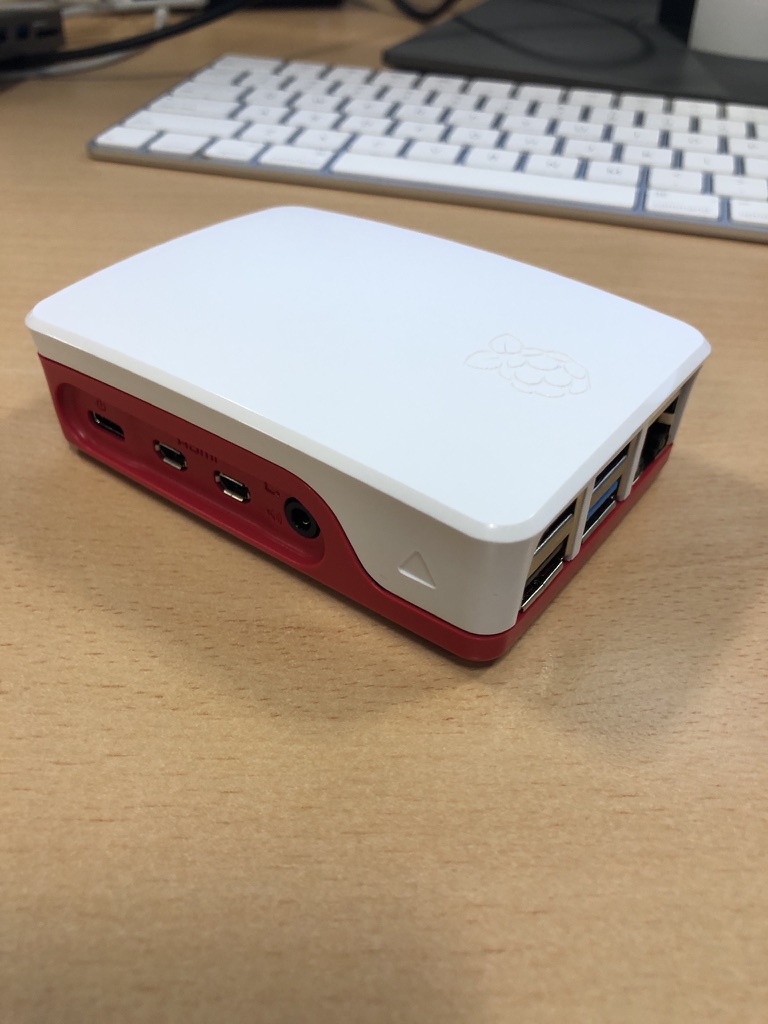
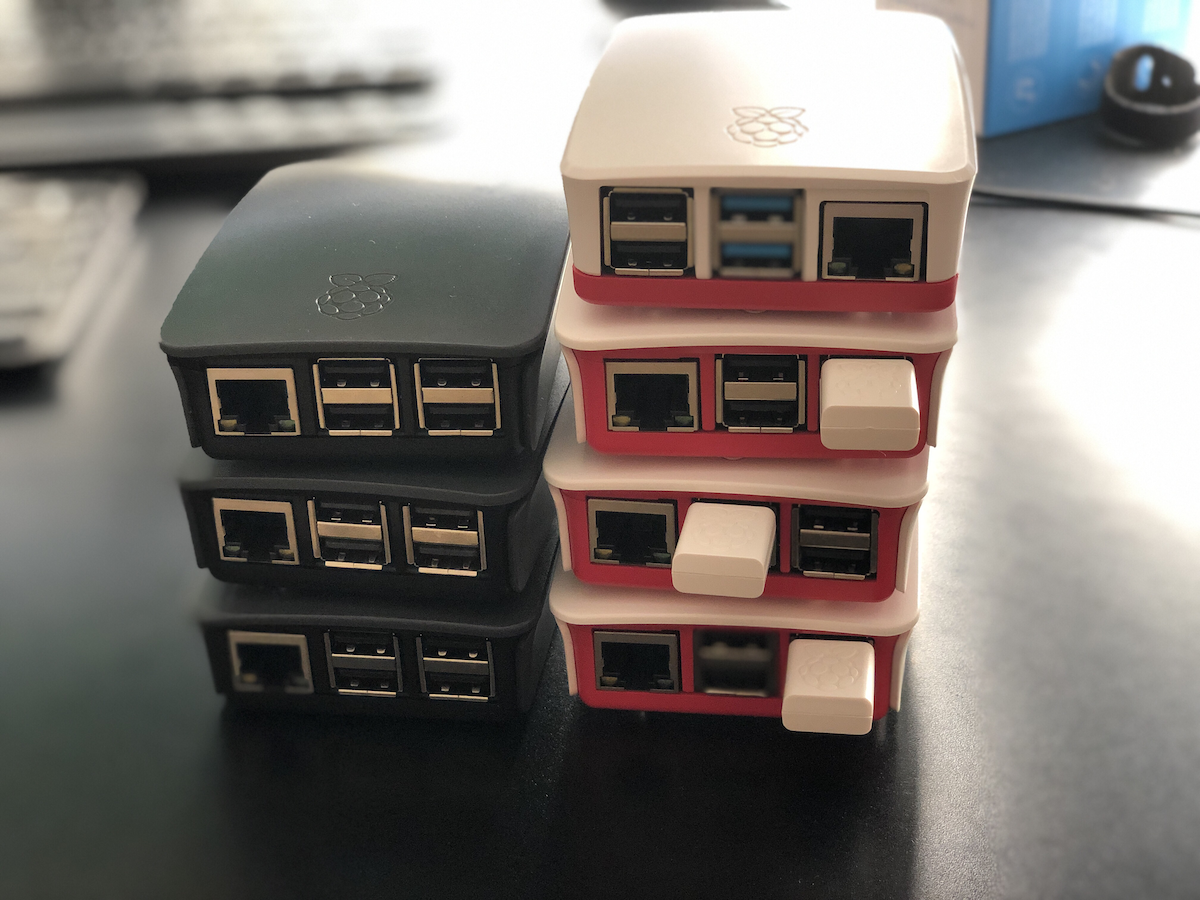
Right now, I’m using Resilio to replicate a full set of data from my Synology DiskStation to a Raspberry Pi 4. I also replicate a subset of this data—everything except the media center—to an SSD on my laptop. Soon, I plan to set up another Pi 4 as a backup for the same subset of data I have on my laptop.

At this point, I no longer keep any replica data at friends’ houses. I probably should, but when my last setup failed, my friend had to bring the device back to me when he visited from the States. Ultimately, it wasn’t worth buying new gear just to ship it back to him. Instead, I signed up for Amazon Glacier Deep Archive (or whatever they’re calling it now). It’s a cheap, long-term storage option where data is locked in for six months without modification or deletion options. My Synology DiskStation has a built-in client that made it easy to set up a backup of my personal data to Glacier. I still need to test a restore, but for now, I see Glacier as my remote storage solution. At about $1 per terabyte per month, nothing else comes close to that price. Setting up another Pi with a friend would cost around $150–$200, which makes Glacier far more cost-effective over a three-year period.

Because I’m still a bit unsure about restoring from Glacier, I’ve also started using Proton Drive for critical data, including my entire family photo and video library. Once I’ve uploaded the photos, that dataset stays pretty static, so Proton Drive makes sense. With our 3TB plan, I can gradually copy large, mostly unchanging files that I want securely backed up. Since there’s no automated way to sync this, it’s not my primary backup, but it adds another layer of protection.

Recently, with T in high school (or middle school if we were in the States), she’s been using the computer more often. It made sense to subscribe to the family plan of Office 365, which gives each of us 1TB of storage on OneDrive. I’m experimenting with Cryptomator encryption to securely store a subset of our backups on OneDrive. I still need to fully implement this, but it’s something I plan to sort out soon.

In addition to these replica copies, I take monthly RSYNC snapshots to a separate directory on my DiskStation. I have two scripts—one for odd months and one for even months—so I always have two recent copies. I also keep an annual copy of everything. It’s a bit less automated, but it works.

I’m also considering setting up another Pi as a remote Resilio node. Another option is to get a storage VPS again. The previous deal I had expired, so I canceled it last year. That’s partly why I’ve been relying less on remote Resilio replicas. When I got rid of my last remote Pi, I switched to a VPS running Resilio. Now, I’m debating whether it’s worth setting up another VPS instead of piecing together backups the way I have been. At around $80 per year for 2TB, it’s an option I’m keeping open.

Overall, the system works. When I had a catastrophic failure on my DiskStation before upgrading to my current one, I was able to verify that all my data was backed up somewhere. In the end, I didn’t need to restore because I managed to salvage the array on the DiskStation, but it was a valuable exercise to go through.

UPDATE: I wrote this before Christmas. Since then I have built a new Pi with a 2TB SSD and need to deploy it somewhere other than our house as a backup. I have also found a new cheap(ish) VPS storage provider. I have a 2TB VPS in Germany were I am now replicating my main Reslio shares to. I have stopped using Glacial since i haven’t been able to properly test it.  It is still by far the cheapest backup option out there however without being able to verify it works to easily fully recover i was a bit concerned.  The new VPS i have is a few pounds more per month but not outrageously expensive.

The Story of The New New New Web Hosting Provider

I have had numerous hosting providers in the past 25 years. Do I date myself by saying that? It is the truth I guess. I have hosted a website in one form or another for easily over 20 years. Trying to think of them I cannot recall all the providers I have used. I have had full service web providers. I have hosted my own. Way back when I first started out I even used free sites like Geocities or hosting via my AOL account. Yes I had one of those. I have had dedicated service providers for just mail and blog. And probably for a while I might have done nothing other than simply used Gmail. Over two years ago I moved to a provider siteground.co.uk. They hosted my blog, some email domains of mine that are not on Protonmail and any odd and end webiste I put up. For what they offer it is probably overkill for me. I signed up because the previous provider I had Hostpoint.sh contract was up. Hostpoint was on the expensive side.  They were a great provider for what they offered. The cost benefit for me did not make it economically sensible to continue to use them.  Siteground had a really good deal so i signed up for a 3 year contract with them. For me three years is like a lifetime. I never used to like 1 to 2 year mobile phone contracts. The deal was too good to pass up so I signed for that term.

Now as I write this I have less than 6 months on my site ground contract I looked at how much the renewal cost will be for my hosting. Without the deal the prices it is about triple what I was spending. I have had zero problems with Siteground. Like Hostpoint they have been a fantastic hosting provider. My challenge is for what I use them for the price they’re charging just seems ridiculous. I could host a site myself at home if I wanted to sort out mail relaying. I do not want to so I started looking for alternative providers. Oddly most hosting providers are not very cheap.  yeah $5-$15 (£3-£12) or so sounds inexpensive however it adds up over the year. Most of the good ones are on the higher end of that range.

Giving up on the relitivly expensive consumer proivders I ended up looking at lowednbox.com for deals for a VPS.  If you do not know a VPS is. a Virtual Private Server. So basically a virtual machines at a hosting provider. A friend showed me the lowendbox site ages ago and i really didn’t bother looking into a VPS.  I was doing too much with my Raspberry Pi’s so did not want to pay for any remote systems.  Now however a cheap (£1-£3) a month VPS (Virtual Private Server) might just do it for me.  Most of what is offered at the £1 range may not be enough RAM for my needs however for slightly more or basically £15-£23 a year i can get a pretty decent virtual server that i could replicate most of what i get from a provider. In my search I even found a provider that does shared hosting (what most people get as webhosting) for $1.50 a month.

I wasn’t sure what i wanted so i picked up two seperate deals (3 if you could a VPS i got for a VPN project that i may write about another time) from lowendbox.com.  I got the cheap $1.5 a month shared hosting as well as a VPS for a year for £22.  Even with both providers I am paying 25% of what i would have paid if i renewed siteground.

After a bunch of trial and error with the cheap shared hosting provider and the VPS I settled on the VPS. While I was figuring out what to do and realised the $1.50 a month basic provider didn’t seem to be working out I approached the situation a bit differently. My VPS can support my website pretty easily. Even if there is a reliability issue the website doesn’t need to be up 99.99% of the time like email kinda needs to be. That meant I could decouple my mail hosting from my website if I could do it cheaply enough. I went about trying to find an email only hosting provider. The problem was just like with regular hosting everyone offered really cheap introductory rates and then the price was much higher. With email only hosting providers it was kind of funny since the price they were offering I could buy a cheap complete hosting package for the same amount of money. I then continue to look for relatively easy to maintain out of the box email applications so I could possibly host a dedicated email VPS. That was proving problematic.

In my research around hosting my own mail on a dedicated VPS I stumbled across someone reviewing a relatively inexpensive email hosting provider. Their annual plans that offered more than what I needed were pretty cheap. What was even more interesting was the fact that they offered a lifetime plan that was only slightly more limited than the annual offering I was looking at. That lifetime plan options was also more than enough for my needs. It was approximately three years worth of hosting upfront to get the lifetime plan however the company seemed to be around for a while and pretty stable. I assume that I could at least get a return on my investment in the first three years. If I am lucky I won’t have to worry about paying for mail hosting for a while beyond that. The email provider was MXRoute.

I set up a few of the email domains that are use already and the system has been pretty stable. The final cut over was moving the mail domain my mum uses and that I sometimes use. The move was pretty easy. The only challenge was setting up mum up while she is in the US and I am in the UK. The fix was getting her to use GMAIL. She had a GMAIL account she previously used already. I just directed her GMAIL account to pull from her old hosting provider I had. I then switched her over to gmail in two FaceTime sessions with her. Then once GMAIL was working I simply changed the POP account settings in GMAIL web for her and migrated the MX records of the domain. Overall there was not may issues.

With mail sorted I went back to the VPS I setup and got my blog setup. I decided to use Yunohost for the VPS. it is an app that sits on top of Debian that lets me administer the server and install other apps pretty easy. it had a one click install for WordPress (what I use for the blog) as well as many other applications. After playing around with the setup for a while I decided to move the blog over and hope for the best. I found a plugin that pretty easily migrated the blog from one instance of WordPress to another. I then changed my DNS and everything moved over pretty well. I am finishing writing this in on 6-April, exactly one month from when I moved over to my VPS. So far things are working fine. Only thing different for me and the old provider so far is that I need to remember to monthly take a backup of the site in case I break something.

Overall my VPS is costing me £24 a year. If I kept site ground that price would not cover 2 months on the regular priced plan I would have to move to when my contract runs out. Now lets hope I do not mess up my setup since I only have myself and friends to fix it vs a provider!

Editing note I wrote this in Feb 2021 and agave been slow to post. Funny enough even though I change my tech setup a lot this post is still accurate a year and a half later.