
With some downtime on the bank holiday Monday, I finally tackled something I’ve been wanting to do for a while: creating several custom LLMs. I’ve been tinkering with agents for work and figured it was time to apply similar customizations for personal use.
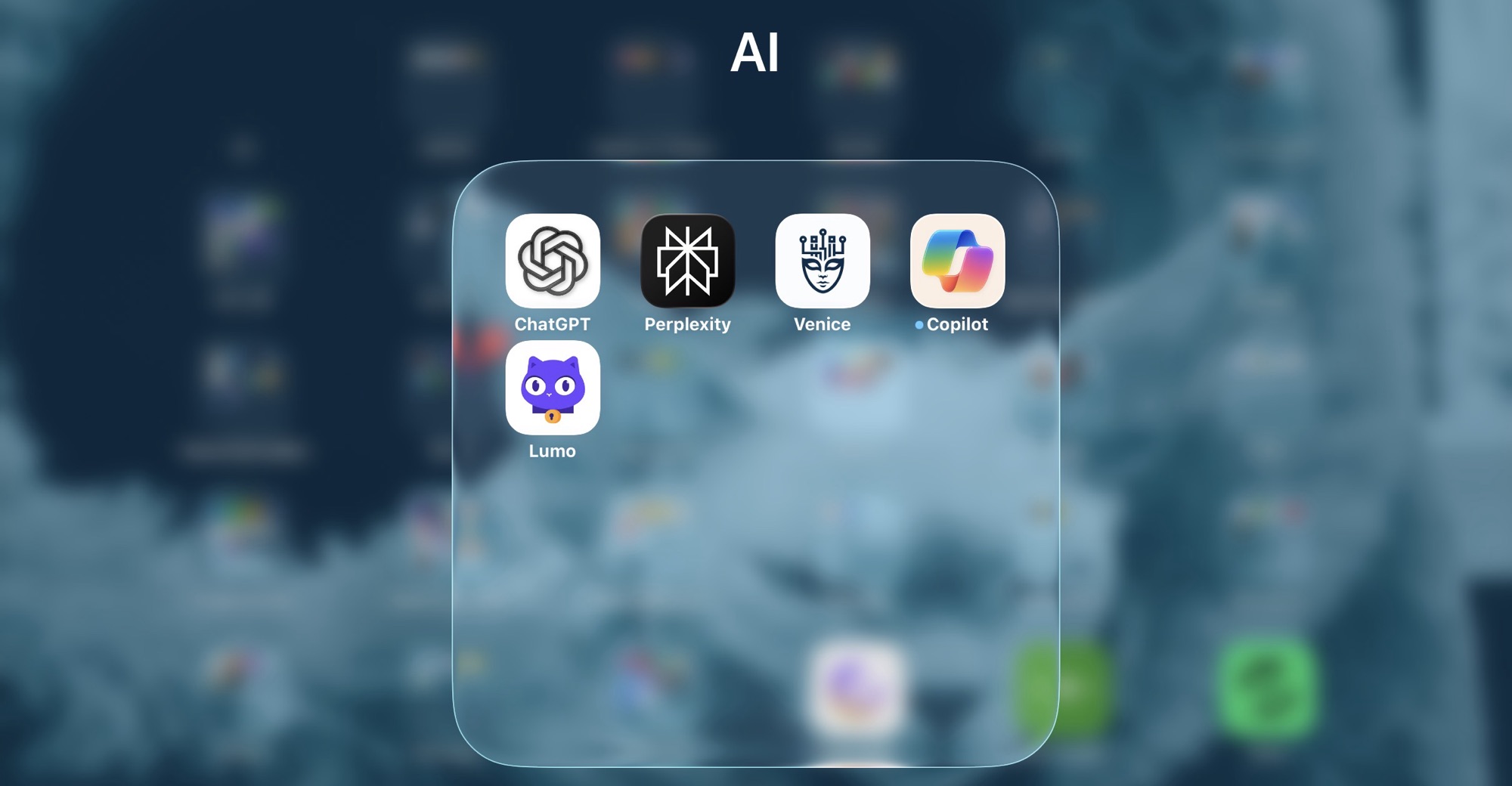
Lately I’ve been bouncing between ChatGPT, Perplexity, Venice.ai, and even the new Proton AI for privacy. ChatGPT now lets you build custom GPTs, so I gave it a try. While we were on holiday, I had jotted down some customization requirements for a handful of GPTs I wanted, and this felt like the right time to build them.
For the past six to eight months, I’ve been planning holidays with different LLMs. The main frustration has been having to restate all my preferences every time I opened a new chat. Starting with a custom GPT just made sense—especially since I’ve got several term breaks to plan for over the next school year. Programming the GPT was straightforward. I haven’t used it to plan a full trip yet, but I’ve got the base built and I’ve started tinkering. High hopes for this one.
I also put together, though haven’t tested, a CISSP study guide helper. I want to sit for the test but don’t have a study buddy, so I figured why not make one?
Then there’s a slightly different use case: a custom GPT for days out with the kids. Same idea as the travel planner, but without flights and hotels—it’s more about what’s going on in London. I’m actively planning a week with the girls now and most of it is set, but I’ll see if this new GPT adds anything useful. The hardest part here was integrating the data I’ve been tracking on a Trello board with all the activities we’ve done or still want to do. I wanted the GPT to be able to use that context, but I’m cautious about sharing too much personal information with ChatGPT. That’s why I also use Venice.ai, which is a privacy-protecting, open-source based AI. Still, I experimented with exporting the Trello data to JSON and importing it into ChatGPT, and after some trial and error I finally got it working. In this case I had to use ChatGPT since I ran into file size limits with Venice.ai.
I’ve got a few more ideas I want to play with, but for now the three or four GPTs I’ve already built will keep me busy. I need to actually use them and see how they perform before I go any further. Early impressions are promising. Even so, as I remind colleagues and my kids, quoting the Doctor from Doctor Who: the AI lies. Don’t ever trust it completely. If you keep questioning it, though, the results can be pretty good.