Please Take My Money (Sort Of): Zizzi Edition

Here’s another entry in my ongoing series about payment apps and POS systems, otherwise known as “please, for the love of all things, take my money.”

This time, it’s about Zizzi.

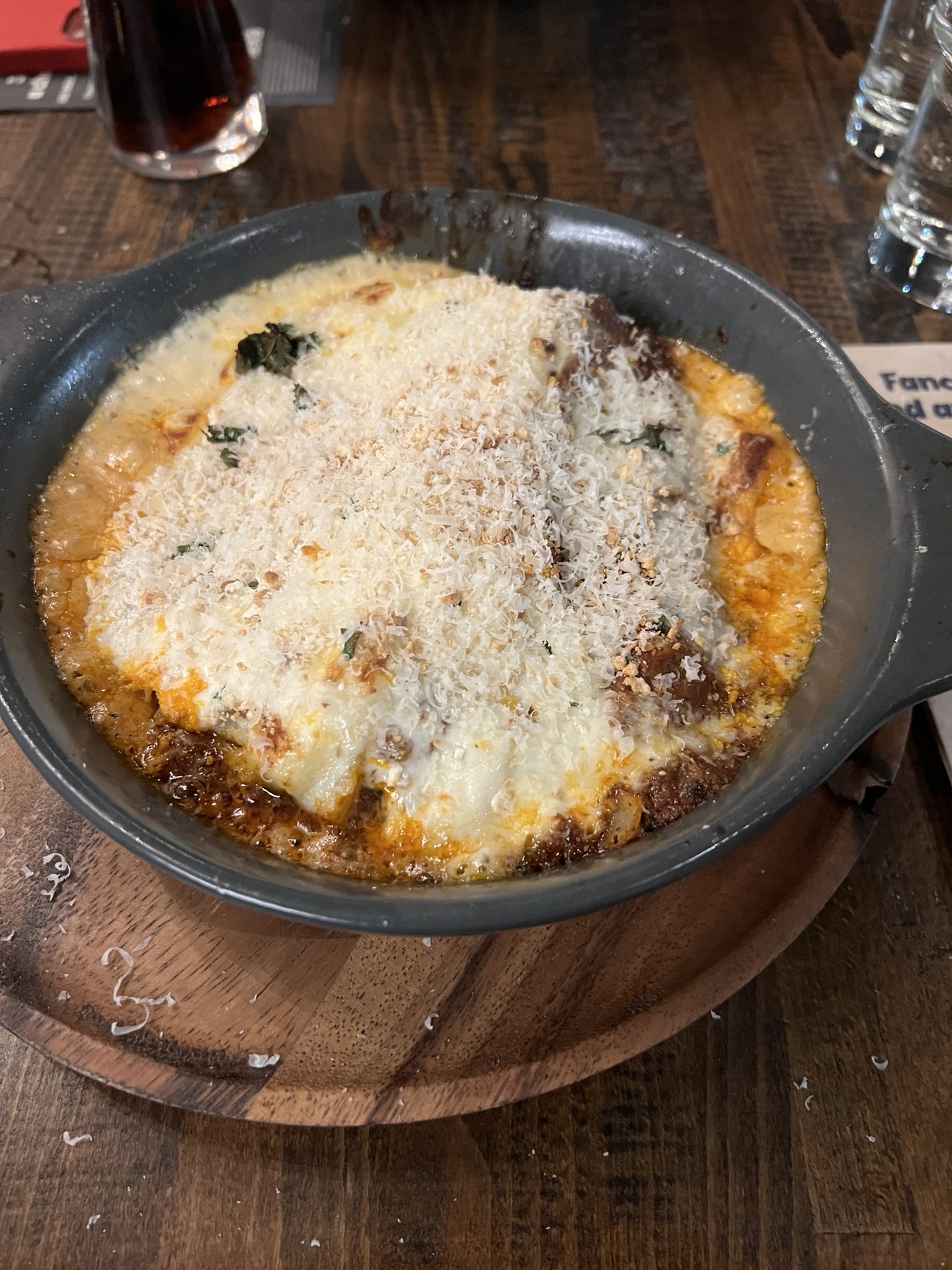
We like Zizzi. Pretty good for a chain, consistent, close to home. The kids enjoy it, and I’m a sucker for a solid lasagna, so it works.

A while back, they introduced the option to order right from your table. You scan, browse the menu, and place your order online. In theory, convenient. In reality, not so much.

The first time we tried it, the whole thing collapsed like a bad soufflé. I think we spent 15 minutes trying to order before admitting defeat. Then the waiter came over, who, to their credit, also had trouble with the system. When the staff can’t make the app work, that’s not a user problem. That’s a “this is broken” problem. Logging in, confirming the order, something always failed. After twenty minutes of tech support cosplay, we gave up and just ordered the old-fashioned way.

Since then, I’ve avoided the “order at the table” gimmick. My appetite doesn’t need a debugging session before pasta.

That said, Zizzi redeems itself with their payment setup. That’s where they actually get things right. You scan the QR code, pay with Apple Pay (no logins, no fuss), and it just works. Recently we had one of the kids’ birthday dinners there, large table, chaos, cake, the usual. The service was great, and paying through the app was quick and clean.

There was one hiccup: the app didn’t let us add a tip. And we really wanted to, because the staff had gone above and beyond with the birthday stuff. We ended up having to flag someone down, who couldn’t add it either. Apparently, the built-in service charge meant we were done. Nice in theory, but awkward when you actually want to leave extra.

Still, credit where it’s due. Ordering? Fail. Paying? Solid.

Zizzi gets a mixed review from me, half frustration, half appreciation. The tech that takes my money works great. The tech that takes my order? Not so much.
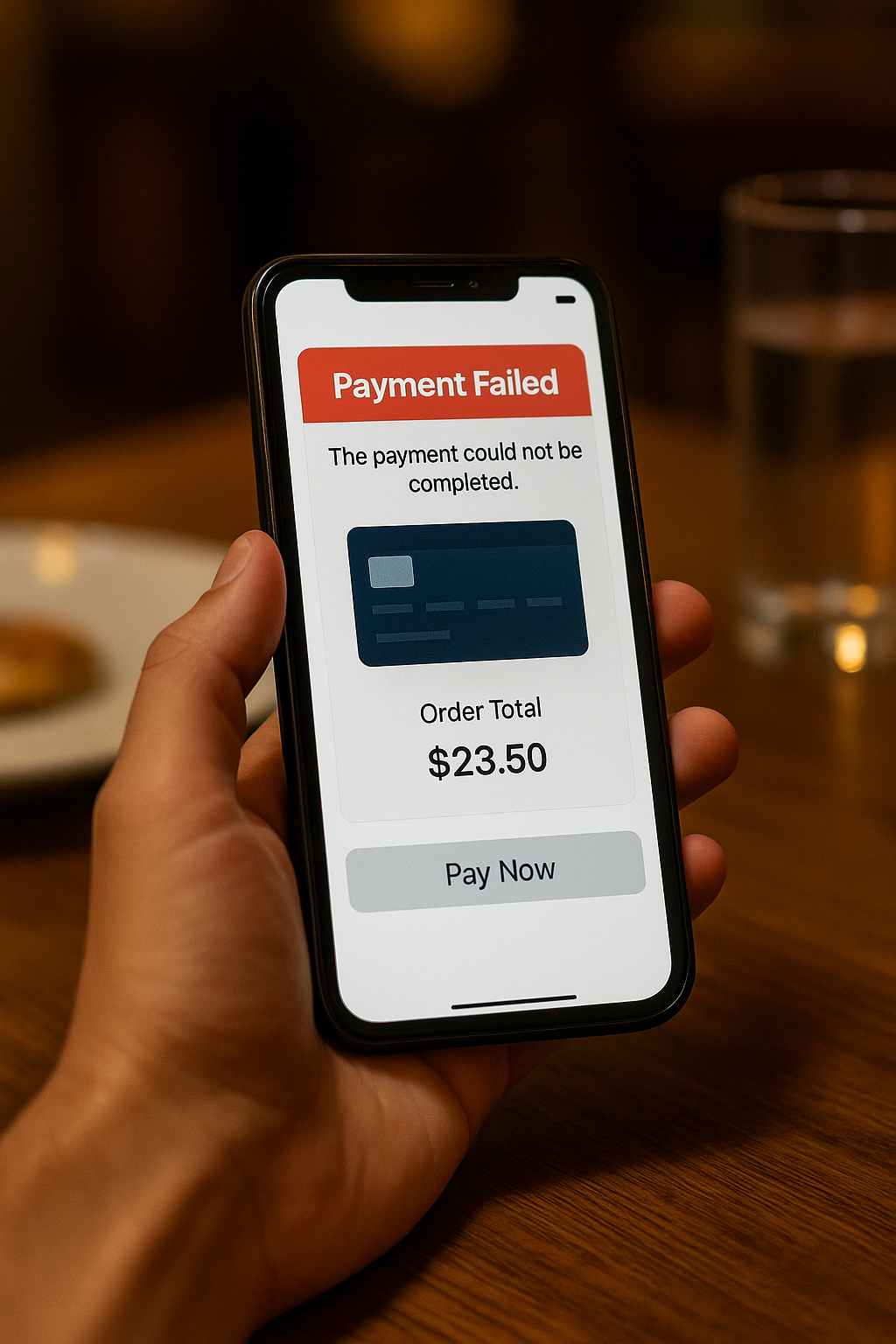
Please Take My Money: Wagamama Edition

I spend a lot of time talking about bad experiences because, honestly, there are plenty to go around. But every so often, someone actually gets it right. And today, or at least initially, that someone was Wagamama, until they then later didn’t but no spoilers yet.

I like Wagamama. One of my daughters likes Wagamama. The other one… not so much. Which means we do not go as often as I would like. Recently, though, the less enthusiastic one has been a bit more open to it, which has resulted in a few bonus noodle nights for me.

The food is always good. The service is consistently fine. And it is one of those places where everyone seems slightly happier after they eat. But what caught my attention this time was not the food. It was the payment process.

After the meal, instead of trying to make awkward eye contact with a server while doing the universal “please bring the bill” hand wave, there is a small QR code on the table. You scan it and it immediately knows what you ordered. No typing. No logging in. No nonsense. Just “Here is your total.”

You can pay right there with Apple Pay, or Google Pay if that is your thing and you enjoy giving Google more information about your life. No account creation. No mysterious third party checkout flow. You can even have the itemised receipt emailed to you, which, as someone who really dislikes handing out an email address, says a lot.

It was fast. It was clean. It worked.

They also let you order food through their app or website. I am not entirely sure which one it is because I have not actually tried it yet, but it looks slick. Given how smooth the in-restaurant payment felt, I assumed they had nailed that part too.

So at that point, credit where it was due. Seamless checkout, transparent receipts, and very little friction. This is how digital payments should work.

Then we went back.

Side note first: A was totally fine with going this time, which feels like real progress and deserves its own quiet celebration.

The reason I am updating this entry, though, is that paying was not quite as effortless as I remembered. This time the QR code was still there, but we also had to enter a table number and the location name. I swear we did not have to do that before. Maybe they changed it. Maybe I forgot. Either way, it added a bit more friction.

What really stood out, though, was that even after choosing Apple Pay, I still had to enter personal details. Not the worst possible outcome since I did not have to register an account, but still more personally identifiable information than I would have liked. Enough that I noticed it. Enough that it annoyed me.

For what it is worth, I just used slightly inaccurate details since it did not affect the Apple Pay transaction at all. The payment went through fine. But that kind of thing chips away at the “this is perfect” feeling pretty quickly.

So yes, they still get a lot right. It is still better than most places. But it is not quite as frictionless as I first thought.

Which, honestly, is how most good systems fail. Not catastrophically. Just by adding one extra step that did not really need to be there.

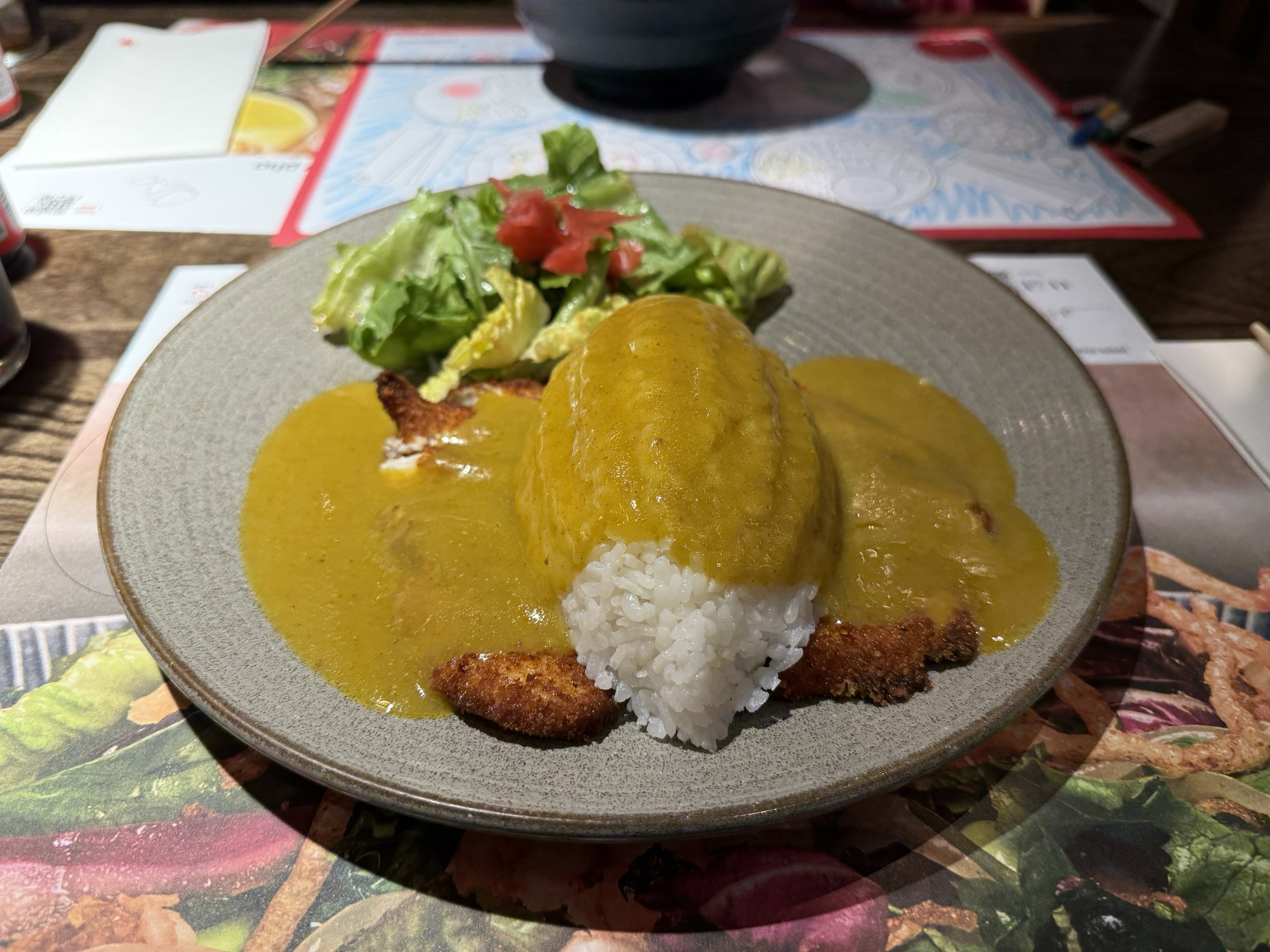
Still, the katsu chicken was excellent. And I will absolutely go back.

Please Take My Money: Green King

It’s time for another round of Please Take My Money, the ongoing saga of payment systems that either make it ridiculously easy to spend money or somehow turn it into a test of patience and willpower.

Today’s contestant: Green King.

When I think back, I don’t even remember Green King having an online payment system before COVID. Maybe they did, but it certainly wasn’t memorable. Then lockdown happened, and suddenly the idea of ordering from your phone became not just convenient, but essential.

After restrictions lifted, one of the first places we went was our local Green King pub. For the first time, they had an online ordering option. I actually thought that was great. One thing the pandemic got right, if we can say that about anything, is the ability to order food and drinks from your table instead of waiting in line at the bar.

Now, don’t get me wrong, I like the charm of a proper English pub. I don’t mind going up to order a drink. But queuing to order food? Hard pass. So the fact that Green King introduced mobile ordering felt like progress.

Originally you had to register for an account. Nothing kills “convenience” faster than “please create a password.” I get that companies want to collect data and “build loyalty,” but if you’re in the business of selling me a sandwich and a beer, maybe focus on that. I don’t need another account to forget about.

Anyway, once I begrudgingly registered, it worked fine. I could order food, add my table number, and my meal magically appeared without waiting at the bar. That alone put Green King ahead of some others I’ve tried. So let’s call the early days a neutral: annoying sign-up, but decent execution.

Fast forward a few years, and they’ve clearly learned. The app no longer requires you to store your card details. You can just pay with Apple Pay or Google Pay and be done. No extra forms, no saved card nonsense, no trust fall into yet another company’s database.

And that’s the thing. Retailers love to say they “take security seriously.” The reality is that they may not be able to focus on it as deeply as a credit card company or a bank does, which is understandable. So when an app lets me not store my card details, that’s a feature, not an inconvenience. It’s basically zero knowledge in practice. If they ever get hacked, it won’t matter, because my card details were never there to steal in the first place.

These days, ordering through Green King’s app is smooth. You tap, pay, and your order’s on its way. Seamless. Efficient. Almost enjoyable.

So, after a rocky start, Green King has graduated from “barely tolerable” to “actually pretty great.” They finally figured out the assignment: make it easy for me to give you my money.

Please Take My Money, GBK

I don’t know why this topic grabs my attention the way it does. Maybe it’s because I’ve been quietly fascinated by how we pay for things ever since contactless cards appeared. Or maybe it goes back even further to this tech show I watched years ago. It was probably the early 2000s, maybe even before that, and they were covering a guy in Singapore who tried to spend an entire day using only a watch that was linked to the local payment system. It was a test for the show, and he actually pulled it off. He managed to buy food, travel around, and live his normal routine without touching his wallet once. I thought that was the coolest thing.

So when tap to pay and mobile wallets finally arrived, I was ready. It felt like the future was catching up. But over time, I’ve learned that not all of these systems deserve to exist. Some work beautifully. Others are so clumsy they make you nostalgic for exact change.

I’ve written before about those “Please Take My Money” moments, the times when businesses make it weirdly difficult for customers to give them money. This is in that same spirit, just focused on the modern point of sale experience, or really the broader world of how we’re expected to pay for things now. Some places get it right. Others seem to treat usability like a design flaw.

And that’s how we arrive at GBK, Gourmet Burger Kitchen, which manages to turn something simple into a mild endurance test.

GBK: The Anti Convenience Experience

GBK lets you order at the counter or through their app. In theory, that’s flexible. In practice, it’s annoying. When I’m sitting at a table, I don’t want to get up and stand in line like I’m at McDonald’s. GBK isn’t supposed to be that kind of place.

We’ve been to the Stratford location several times, and every time it’s the same story. Between my wife’s Three network, my EE connection, and even my work phone on a different provider, none of us can get a decent signal inside. So you try their free Wi Fi, which of course wants a bunch of personal details before letting you in. It’s not free. It’s just data collection in disguise.

Once you’re connected, the app insists that you register. You can’t just use Apple Pay or Google Pay. You have to create an account, fill in your billing details, and basically hand over your life story before you can order a burger. The irony is that the whole point of tap to pay systems was to skip that kind of nonsense. But GBK wants your information, not your convenience.

After fighting with the app a few times, we gave up and just started ordering at the counter again. The food’s fine, good even, but the ordering system makes the experience harder than it needs to be. It’s like they built a digital wall between customers and the register.

The Bigger Problem

This isn’t just about GBK. It’s about how so many modern payment systems have completely missed the point. They were supposed to make life easier, but in too many cases, they’ve turned into data traps or loyalty funnels. The best systems disappear into the background. You pay, and that’s it. No account, no registration, no email sign up, no exclusive offers. Just pay and eat.

GBK gets a fail from me. I’ll keep writing about more of these experiences because some places do get it right, and others, well, not even close.

So yes, GBK, please take my money. Just stop making me work so hard for it.

Please Take My Money CVS

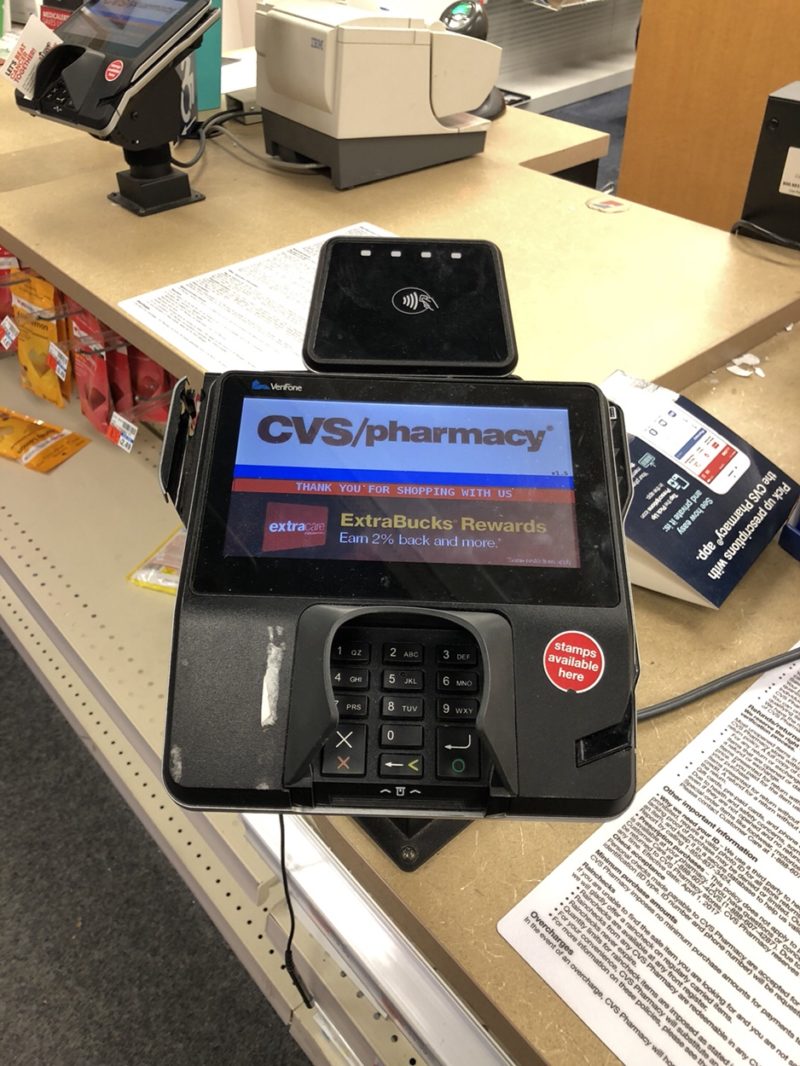
CVS POS Terminal

Prior to my big move while I was on the topic of writing about target and NFC payments regarding Target I had to go to CVS and pick up something. While I was waiting to check out I was reminded that CVS has the shiny new point-of-sale terminals with the big logo for tap to pay that doesn’t work. If I remember correctly they used to allow it and then when Apple Pay came out they turned it off.  It was because they were a partner of CurrentC and didn’t want their competitor to work.

Whatever happened to companies going sure I will take any form of your money so you can buy our stuff? It reminds me that I wanted to create a web series about “Please Take My Money”.  It started with Macy’s.  I wrote about it a few years ago: If I wrote more about it, I would chronicle all the challenges I’ve experienced with companies not simply letting me buy their stuff or give them money when it should be really easy. In CVS’s case it’s they want to save money on the transaction fee they pay credit cards.  To do that they turned off all cordless payment systems that competed with CurrentC. Thankfully that service that was only good for the retailers and not the consumers failed.  Apple Pay still not working at least at my local CVS.

Please Take My Money Target

CVS POS Terminal

One Saturday not to long ago we went to Target to spend some gift cards that we had lying around that we need to use before we moved. While I was there I wanted to grab a coffee at their sort of Starbucks. You know it’s says Starbucks but it’s not. I know it’s not since I can’t use my Starbucks card.

While I was at fo-Starbucks I noticed they had a tap to pay/NFC reader on their point-of-sale terminal. Since I try to use Apple Pay everywhere I can in hopes that one day I won’t need to really carry a wallet.  I was happy to try to use it.. Then I tried. The checkout clerk said oh it’s Apple it won’t work. The machine only takes Samsung Pay. I didn’t really want to argue the technical details of NFC payment terminals with a fo-Starbucks Clerc.  To be clear however what he said is not entirely true. Apparently target is deliberately limiting their system to Samsung pay or simply telling people anything else will not work. And NFC chip is an NFC chip. If I had one in my credit card I should be able to just tap it on their system.

I find it frustrating when a retailer is misleading customers about their deliberately limiting their choice at the same time. Let’s face it there’s nothing stopping them from doing it. And I don’t think it’s a legal issue however it’s a bit shady to tell me it just doesn’t work.  As it turns out Target cannot use the failed CurrentC.  However they decided to use their own app to make payments only.  That way they keep the loyalty information and save prices on credit card transactions.  That credit card transaction savings is a good thing.  A good thing for them since they are not passing the savings on to the consumers. On the plus side this entire engagement reminded me to be thankful that CurrentC was a complete and utter failure.

I sadly paid with my chip and PIN (only using a debit card since the US hasn’t figured out PIN’s for credit cards yet) and still enjoyed sipping my Cappuchino while pushing the girls in the shopping cart.

Photo is from a CVS POS were likely I had the same issue.

Please Take My Money Macy’s

There was a time a few years ago that I wanted to start a blog titled “ please take my money”. It was going to highlight all the instances where companies for some weird reason made it difficult for you to actually give them your money to buy something. My first case was a situation I had with AT&T regarding canceled contract and number porting. In the end it was cheaper and easier for me to actually not do business with them. Shortly after that there was another situation that I today can remember but it got me thinking about writing about this stuff.

Flash forward to today I am at the mall trying to buy holiday gifts. I don’t normally go to stores and this was a last-minute situation so general I wasn’t pleased however in all but one instance the experience was surprisingly stress-free. Before all the stress-free parts of the day came Macy’s.

I was in Macy’s to pick up a gift for a babysitter and someone else. I was luckily able to find what I needed rather quickly and got online to pay.I was a bit concerned since the line was pretty long. It was one of the last shopping days before Christmas so I expected lines. I didn’t expect was such a long line to be served by one person when there was at least two registers. To add insult to injury several store clerks came and went to the unused registers to do who knows what and to have quick conversations with the one clerk working. None of those people decided to help customers waiting in line. Instead I waited 30 to 45 minutes for transaction that should take most maybe 10 to 15 minutes. I understand corporations need to cut costs however situations like going to physical stores. It also emphasizes why I shouldn’t. I thought the argument of brick-and-mortar store is you get personalized service? In this instance the service was substantially less than if I would’ve ordered something online ship to me.