I Sort of, Not Really, Built My Own Search Engine

Here’s what I mean: I talk a lot about privacy and the steps I take to keep my digital life locked down. For years, I’ve been a DuckDuckGo loyalist. I dropped Google search ages ago, and I don’t really miss it. But somewhere along the way, I stumbled across the idea of hosting your own meta-search engine, and of course, I had to try it.

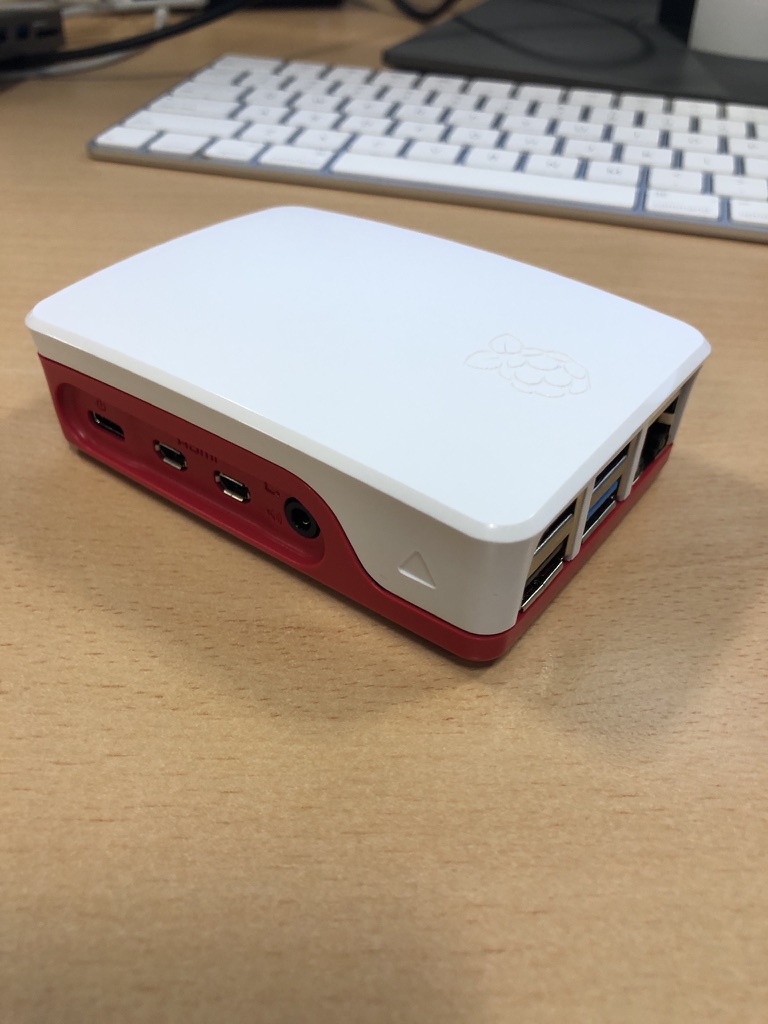
So no, I didn’t invent an algorithm that crawls the internet. But I did spin up my own private search setup. I started experimenting with SearX, and eventually migrated to SearXNG, which is the more actively maintained fork. I run it locally on a Raspberry Pi 5, which already pulls duty hosting a handful of other media services and Docker containers. Through Tailscale, I can securely reach it from anywhere on my devices. In practice, this means I get a private, ad-free search experience that no one else can see into. It’s not flashy, but it’s mine, and that feels good.

Has it been life-changing? Not exactly. It’s cool, and I like knowing I have it, but more and more of my “searching” these days gets funneled through an LLM. That workflow is a whole separate rabbit hole I’ll save for another post.

For now, though, I can say this: if you’ve ever wondered what it feels like to run your own search engine, even a “sort of” one, it’s empowering, surprisingly doable, and it gives you just a little more control in a space that usually takes it away.
The Story of Screen Savers and Burn In History

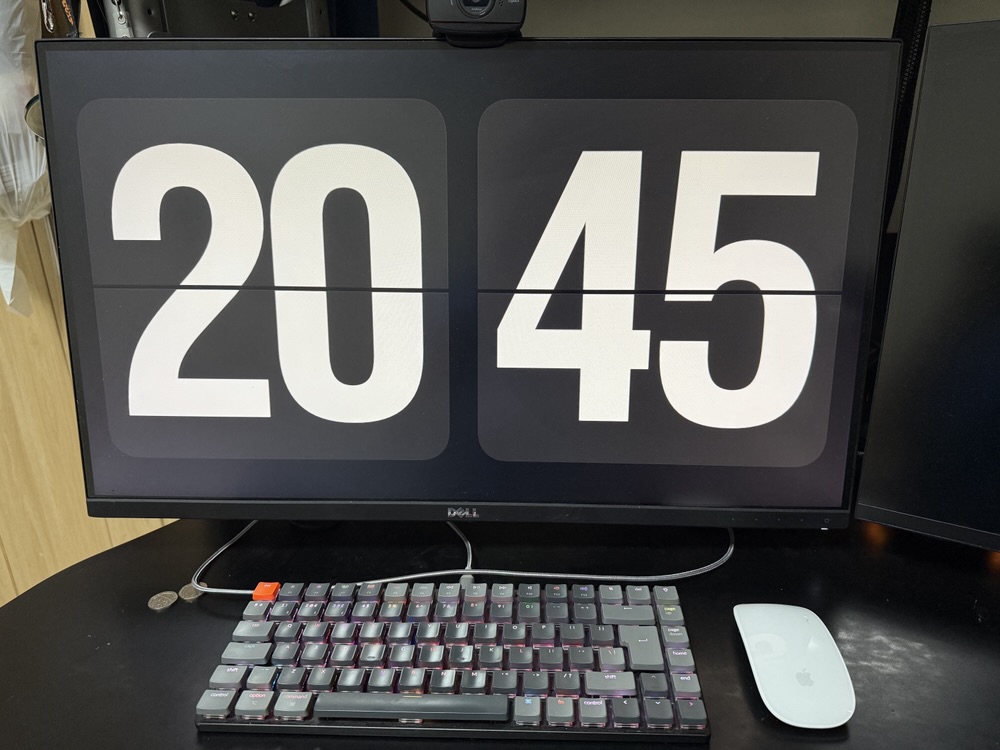
The other day my oldest daughter asked me about the screensaver on my computer. Mine is set to a retro alarm clock face. I like having the clock there, and I like the old-school look of it. She wanted to know why I picked it and what other options there were.

That kicked off a conversation about what screensavers actually were for. I explained that once upon a time you really needed them. The name wasn’t just decorative—it literally saved your screen. CRT monitors could burn in if the same image stayed on too long, and screensavers kept things moving. Back then, you could download or buy screensavers of just about anything: flying toasters, bouncing logos, underwater fish tanks. It was an entire genre of computing culture.

I tried to find her a YouTube video of CRT burn-in to make the point, but all I could dig up were examples from plasma or LCD screens. To her, CRTs are just ancient history. I explained that even early LCD and plasma panels had the same issue, and together we managed to find an example or two of that on YouTube.

Of course, I didn’t help myself when I mentioned that my old iMac had a burn-in issue around 17 years ago. That was all she needed. She laughed and said something along the lines of, “Well, you experienced that because you’re old.” That’s the price of trying to explain vintage tech to a modern kid you end up becoming the vintage part of the story.

Tapping Through France: A Cashless Holiday at Disney and Beyond

We’ve just come back from a week in France. Two whirlwind days at Disneyland Paris followed by a slower stretch at a resort. The rides, the food, the lounging by the pool… all wonderful. But the thing that surprised me most wasn’t the fireworks over the castle we didn’t actually see because by then we were too tired and had already headed back to the hotel. What stood out was that I managed the entire trip without touching a single euro note or even pulling out a physical card.

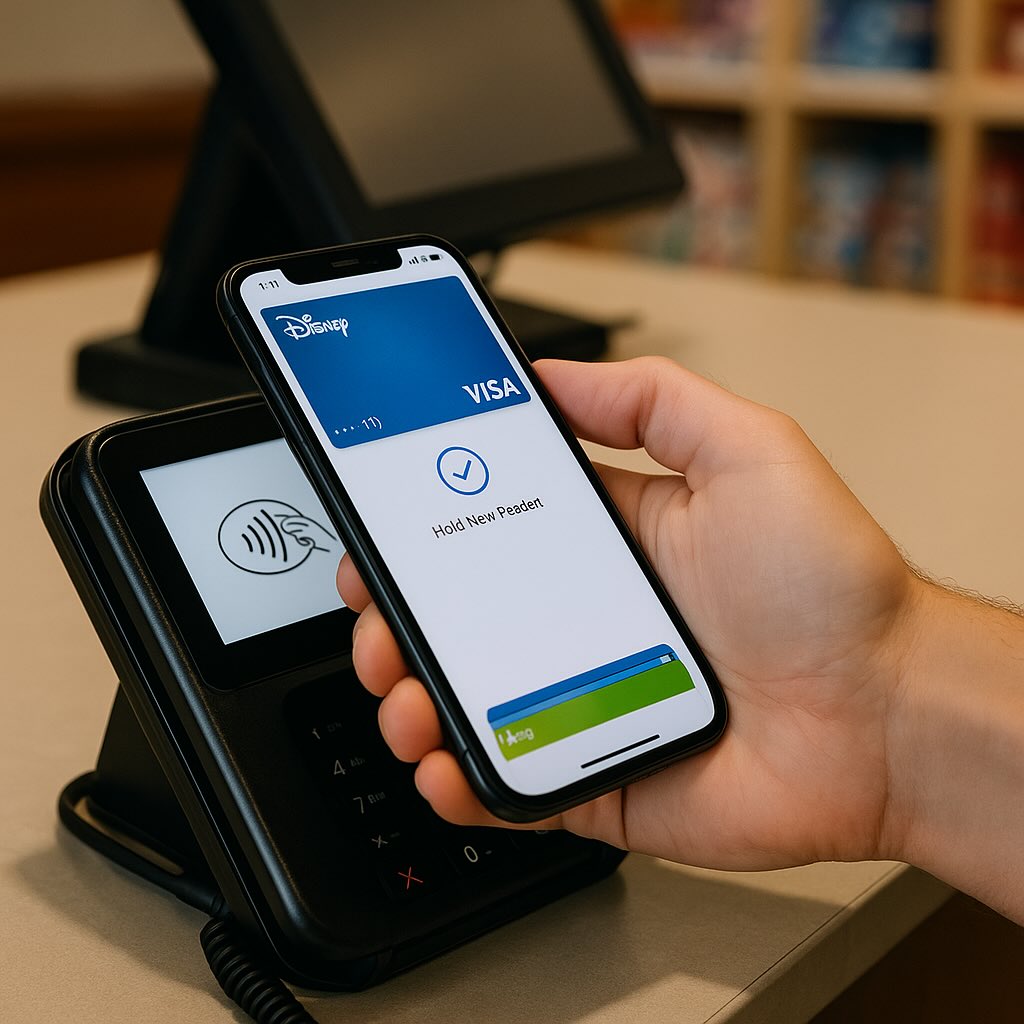
If you’ve read my past posts, you know I’ve been on a bit of a mission to go wallet-less. In daily life at home, I rely almost entirely on my phone or, even better, my watch for tap-to-pay. The convenience is unmatched. That said, whenever I travel abroad, I usually hedge my bets. Extra cards tucked into the bag. Mental note of where the nearest ATM might be. Because international trips can be tricky: not every place is set up for seamless digital payments, and the last thing you want is to be stranded without cash.

But this time? Smooth sailing. Disney was as high-tech as you’d expect, and even the resort didn’t skip a beat. From meals to souvenirs to a quick coffee at the pool when we didn’t have our wallets or phones, a tap of the watch worked perfectly. No fumbling with euros, no need to break a bill just to grab a snack. I didn’t expect it to be this easy.

Back in the UK, it’s already rare that I run into a situation where cash is essential. Even the local ice cream van has a contactless reader these days. And while I know France isn’t representative of every country in Europe or the world, it was reassuring to see just how far tap-to-pay has spread.

The takeaway? For certain destinations at least, traveling cashless is no longer a gamble. It’s becoming the norm. That’s one less thing to worry about when packing, and a little more space in the pocket for, say, an extra croissant or two.